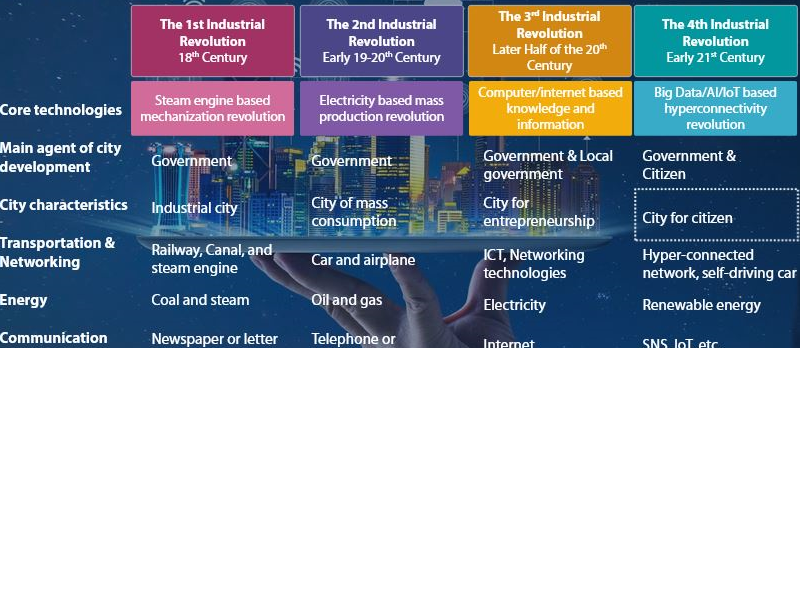
Has Industry 4.0 Unleashed the Era of Smart Cities?
The rate of change unleashed by the Fourth Industrial Revolution is truly unprecedented and impacting all sectors across the globe. Meanwhile, there’s a sense the current impact has largely been drawn from an e-commerce and social media standpoint. However, granted future massive urban growth challenges, very different cities of the world are asking the same question …. “How do we ride this big wave and enjoy the immense opportunities presented by the Fourth Industrial Revolution?”
Smart Cities, driven by technology, are expected to replace former models whose measure of success was largely based on increasing physical infrastructure like roads, water or sanitation systems. Now, courtesy of new technologies like IoT; Cloud; AI & Machine Learning, the era of intelligent infrastructure has arrived. With these new capabilities, we’ll soon begin seeing intelligent physical infrastructure connected to central systems that provide real-time solutioning.
Smart cities may still be viewed as concepts of the future. However, considering the current pace of innovation it is highly likely that over the coming decade, they will become very feasible and certainly very popular strategies for solving urban-growth challenges. The generation of digital ‘non-natives’ certainly recall olden days when mobile phones were a preserve of a few. Today, our lives basically revolve around these gadgets. Similar transformation within living spaces is what is anticipated in days to come. This merging of biological, physical and technological factors, will create hyper-connected environments that enable data collection, grant agility and offer more predictive living. A good example is the current ability to predict the cost and ride time to a destination based on accurate GPS systems. It may be just the beginning of a lot more novel innovations to come. As such, the early awareness and conceptualization of Smart Cities must help us to inspire and accelerate our commitment towards attaining our own. As the adage goes, “Mapema ndio best”.
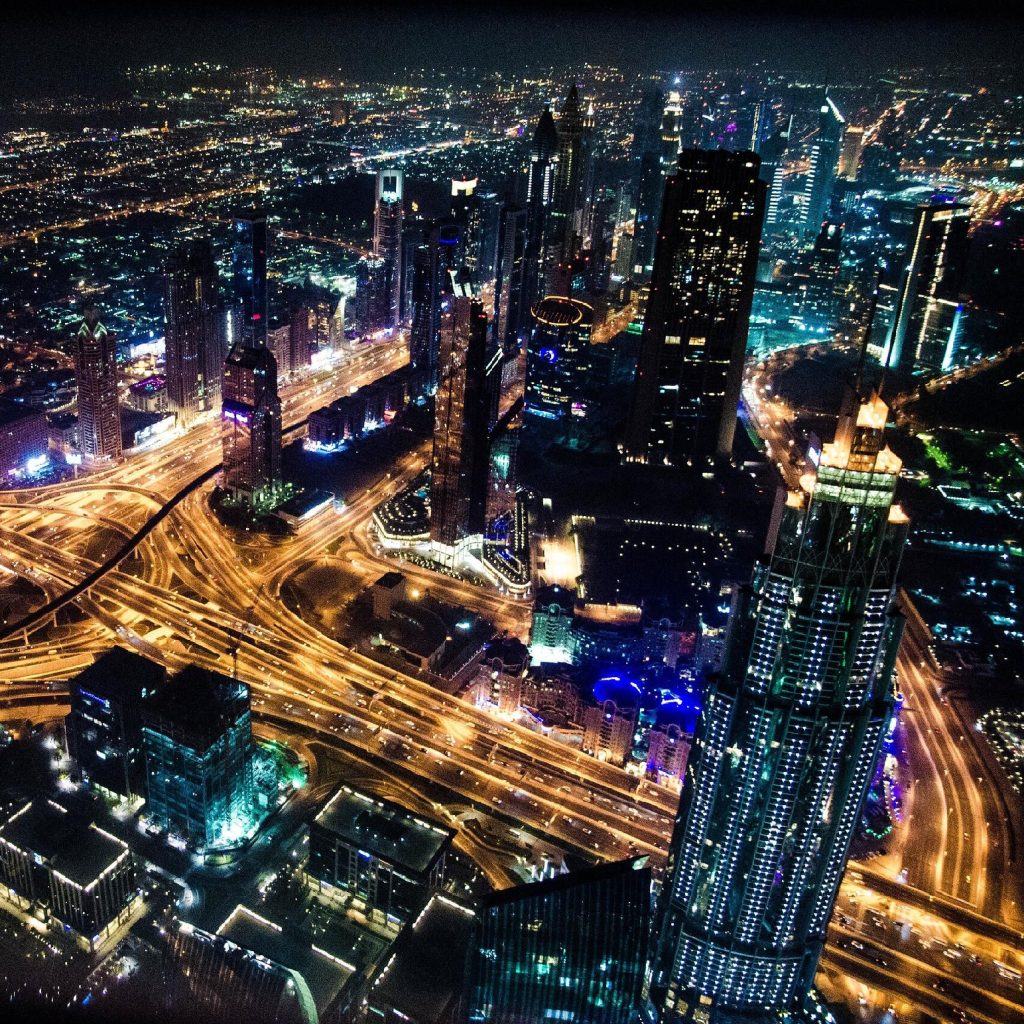
Being a new concept without known parameters, World Economic Forum’s Global Future Council on Cities and Urbanization has highlighted various factors that drive the Smart City Agility Index
Agile Buildings – which are carbon-neutral, energy positive, technically sophisticated and support a diverse mix of uses and activities through flexible space usage and shared working arrangements.
Agile Land – through zoning policies, it promotes the idea that land use can be temporary (e.g., moveable prefabricated buildings); land that is well distributed between roads, people and open space, land whose use can be quickly repurposed (e.g., car parks to flats); or land that can support multiple uses in the same space.
Agile Energy – is the type of networked energy system that on average decreases energy loss, facilitates transition to renewable energy sources and coordinates diversified energy sources to provide supply security. Where buildings are energy producers as well as consumers
Agile Mobility – involves flexible infrastructure supported by a collaborative digital platform, that makes available real-time information about supply and demand of services. It focuses on increasing commuting speeds, decrease greenhouse gases and improving lifestyle and security in cities.
Agile IT – include easy to manage, consolidated and high capability IT services & infrastructure.
Agile Security – It encompasses a wide range of data-driven, problem-oriented approaches that combine technological approaches with policy. May include real-time crime mapping, biometrics, body cameras, personal alert systems or social media sentiment analysis.
Agile Education – It focuses on an adaptive framework rather than fixed curriculum. It blurs the lines to create collaboration between peers and specialists. Cities that offer flexible physical environments or creative digital platforms to adapt different learning styles, needs and activities.
Agile Governance – enhances citizen satisfaction by constant optimization of city experiences across administrative boundaries that have regular feedback, policy & regulatory interventions.
